5002 Lakeland Circle, Suite B, Waco, Texas 76710


Table of Contents
Lower back pain is one of the most common physical ailments people experience. It can range from a dull, constant ache to a sudden, sharp sensation that makes it difficult to move. For many, it's a temporary nuisance that resolves on its own. For others, it becomes a chronic condition that significantly impacts their quality of life, affecting everything from daily routines and work productivity to mental well-being.
Studies show that up to 80% of adults will experience lower back pain at some point in their lives, making it a leading cause of disability worldwide. This widespread issue stems from the complexity of the lower spine, or lumbar region, which supports the weight of the upper body and is involved in nearly every move we make. When this crucial structure is compromised, the effects can be debilitating.
Understanding the root causes of your discomfort is the first step toward finding lasting relief. This guide will explore the common culprits behind lower spine pain, explain the importance of seeking professional care, and detail the effective treatment options available, including those at specialized centers like Victory Spinal Care. We will also cover practical lifestyle changes you can adopt to manage your symptoms and prevent future episodes.
The lower spine is an intricate structure of vertebrae, discs, nerves, muscles, and ligaments. Pain can arise when any of these components are injured or irritated. Identifying the specific cause is essential for determining the most effective treatment plan. Here are some of the most common causes of lower spine pain.
This is by far the most frequent cause of acute lower back pain. It often occurs from improper lifting of heavy objects, sudden awkward movements, or overstretching. When muscles or ligaments in the back are strained, they can become inflamed, leading to pain and stiffness. While these injuries typically heal with rest and self-care, repeated strains can weaken the back and lead to chronic problems.
Between each vertebra in your spine are soft, gel-like cushions called intervertebral discs. These discs act as shock absorbers and allow for spinal flexibility. With age or due to injury, these discs can degenerate. A bulging disc occurs when the disc protrudes outward, while a ruptured or herniated disc happens when the inner gel-like substance leaks out through a tear in the tough outer layer. Both conditions can press on nearby spinal nerves, causing intense pain, numbness, or weakness that can radiate down the leg—a condition commonly known as sciatica.
Sciatica is not a condition itself but rather a symptom of an underlying problem, most often a herniated disc or spinal stenosis pressing on the sciatic nerve. This nerve is the longest in the body, running from the lower back down through the buttocks and into each leg. When compressed, it can cause a sharp, shooting pain, tingling, or numbness along its path. The pain can be severe and can make sitting, standing, or walking extremely difficult.
This condition is a natural part of aging. As we get older, our spinal discs lose hydration and begin to wear down. They become thinner and less effective at absorbing shock, which can lead to pain and stiffness. While the term "disease" sounds alarming, it's actually a description of the age-related changes that occur in the spine. However, for some individuals, this degeneration can cause chronic pain and instability.
Spinal stenosis is the narrowing of the spinal canal, the space through which the spinal cord and nerve roots pass. This narrowing can put pressure on the nerves, causing pain, cramping, numbness, or weakness, usually in the legs. It's most commonly caused by age-related changes like osteoarthritis or the thickening of ligaments in the spine. Symptoms often worsen when standing or walking and may be relieved by sitting or leaning forward.
Structural issues with the spine can also lead to lower back pain. Conditions like scoliosis, an abnormal sideways curvature of the spine, or lordosis, an excessive inward curve of the lower back, can strain muscles and joints, causing chronic discomfort. These irregularities may be present from birth or develop over time.
While mild back pain might resolve with a few days of rest, persistent or severe pain should never be ignored. Self-diagnosing and attempting to treat the issue without professional guidance can be risky. You might misinterpret the cause, leading to ineffective treatments or even worsening the underlying condition. An accurate diagnosis from a healthcare professional is crucial for developing a safe and effective treatment plan tailored to your specific needs.
Clinics like Victory Spinal Care specialize in diagnosing and treating spinal conditions. Their teams of experts use advanced diagnostic tools, such as X-rays and MRIs, combined with thorough physical examinations to pinpoint the exact source of your pain. This detailed approach ensures that your treatment targets the root problem, not just the symptoms, paving the way for long-term relief and improved function. Seeking professional help early can prevent acute pain from becoming a chronic, life-altering issue.
Once a diagnosis is established, a comprehensive treatment plan can be created. At Victory Spinal Care, the focus is on a multi-disciplinary approach that combines various therapies to achieve the best possible outcomes. This integrated strategy ensures that patients receive holistic care that addresses all aspects of their condition.
Physical therapy is a cornerstone of lower back pain treatment. It focuses on strengthening the muscles that support the spine, improving flexibility, and correcting poor posture. A physical therapist will design a personalized exercise program for you, which may include:
Physical therapy not only helps alleviate current pain but also educates you on proper body mechanics to prevent future injuries.
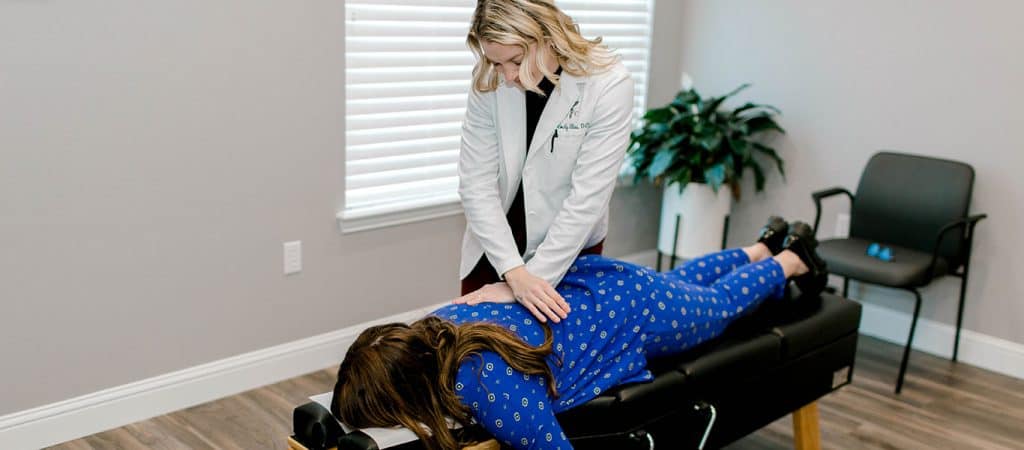
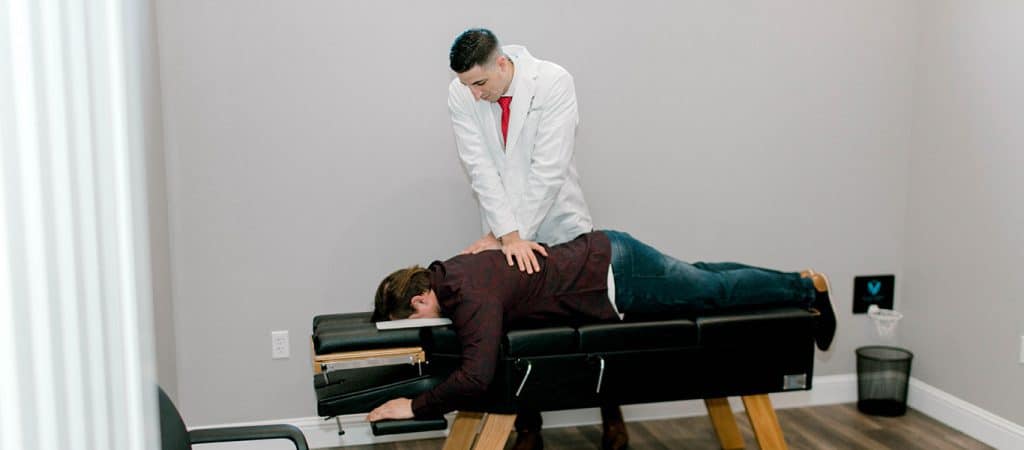
Chiropractic care focuses on the relationship between the spine and the nervous system. The central belief is that proper spinal alignment is essential for overall health. Chiropractors use hands-on spinal manipulation and other alternative treatments to restore mobility to joints restricted by tissue injury.
A key technique is spinal adjustment, where a chiropractor applies a controlled, sudden force to a spinal joint to improve its position and motion. This can help reduce nerve irritability and restore function. Other therapies offered may include therapeutic massage, ultrasound, and electrical muscle stimulation. For many people with lower back pain, chiropractic adjustments provide significant relief and are an effective, non-invasive treatment option.
For individuals with severe or chronic pain that doesn't respond to conservative treatments, advanced pain management techniques may be recommended. These interventions are designed to provide targeted relief and are often used as part of a broader treatment plan. Options can include:
These advanced treatments can be highly effective in breaking the cycle of pain, allowing you to participate more fully in physical therapy and other rehabilitative activities.
While professional treatment is vital, the choices you make every day play a huge role in managing lower back pain and preventing its recurrence. Incorporating healthy habits into your routine can make a significant difference in your spinal health.
Excess body weight, particularly around the midsection, puts added strain on your lower back. It shifts your center of gravity forward and forces your back muscles to work harder to keep you upright. Losing even a small amount of weight can reduce this pressure and alleviate pain.
It may seem counterintuitive, but movement is often the best medicine for back pain. Regular, low-impact exercise strengthens the muscles that support your spine and keeps your joints flexible. Activities like walking, swimming, and cycling are excellent choices. It's also important to avoid long periods of inactivity. If you have a desk job, make sure to get up, stretch, and walk around every 30-60 minutes.
Poor posture is a major contributor to back pain. Whether you're sitting, standing, or walking, make a conscious effort to keep your spine aligned.
If you work at a desk, optimizing your workspace is crucial. Position your computer monitor at eye level, use a supportive chair, and ensure your keyboard and mouse are placed so that your wrists are straight and your shoulders are relaxed. An ergonomic setup reduces the daily strain on your neck and back.
Smoking impairs blood flow, which can deprive the spinal discs of the oxygen and nutrients they need to stay healthy. This can accelerate disc degeneration and slow down the healing process after an injury. Quitting smoking is one of the best things you can do for your spinal health and overall well-being.
Lower spine pain can be a frustrating and limiting condition, but it doesn't have to control your life. By understanding its causes, seeking timely professional help, and embracing a proactive approach to your health, you can find effective and lasting relief. A combination of advanced treatments, like those offered at Victory Spinal Care, and positive lifestyle changes can help you manage your symptoms, restore your mobility, and get back to doing the things you love.
Don't let pain hold you back any longer. Take the first step toward a healthier, pain-free future by consulting with a spinal health expert who can guide you on your journey to recovery.
Victory Spinal Care – Waco
https://goo.gl/maps/d3H8ow2vWAC4qgZ26
5002 Lakeland Cir B, Waco, TX 76710
(254) 556-4251
https://victoryspinalcarewaco.com/