5002 Lakeland Circle, Suite B, Waco, Texas 76710


Facing the prospect of back surgery can be daunting, especially when you're dealing with chronic pain. For many in Waco, TX, a diagnosis of sciatica, a herniated disc, or persistent lower back pain often leads to a surgical consultation. But is that truly your only path to finding lasting relief?
The good news is that a wide range of effective, non-invasive alternatives to back surgery are available right here in our Waco community. At Victory Spinal Care, we believe in a patient-focused approach that treats the root cause of your discomfort, allowing your body to heal itself without resorting to invasive procedures. This guide will explore ten powerful strategies that have helped countless people avoid the operating room and reclaim a pain-free, active life. From specialized upper cervical chiropractic care to targeted therapies, these methods are designed to restore function and build a stronger, more resilient back.
If you are looking for a trusted chiropractor in Waco, TX, who prioritizes conservative care and lasting results, this article will provide the actionable insights you need. We'll help you make a confident, informed decision about your health and take the next step toward relief.
Table of Contents
While many people associate chiropractic care with general back cracking, upper cervical chiropractic is a highly specialized and gentle approach that stands out as a powerful alternative to back surgery. This technique focuses on the precise alignment of the top two vertebrae in your neck: the atlas (C1) and the axis (C2). As your local Waco upper cervical chiropractor, we know these bones are crucial because they protect the brainstem, which controls nearly all of your body’s vital functions.
When a misalignment occurs in this sensitive area, it can create a communication breakdown between your brain and the rest of your body. This interference can trigger a domino effect, leading to postural imbalances, muscle tension, and chronic pain throughout the spine, including the lower back and sciatic nerve. By using advanced diagnostic imaging and precise, low-force adjustments, we correct the root cause of the problem without any twisting or popping.
Instead of directly manipulating the lower back, this method restores proper head and neck alignment, which allows the rest of the spine to naturally return to a more stable, balanced position. This process can decompress nerves, relax tense muscles, and improve overall body function from the top down.
Our patients often experience significant relief from conditions that seemed unrelated to the neck, including:
For a deeper understanding of how a subtle shift in the neck can cause widespread issues, you can learn more about atlas misalignment symptoms and see how they might connect to your condition. This targeted approach offers a non-invasive path to healing, helping the body restore its own function and often eliminating the need for more drastic surgical interventions.
Physical therapy is a cornerstone of non-surgical back pain treatment, offering a structured, evidence-based approach to restoring function and alleviating pain. Unlike passive treatments, physical therapy empowers you to take an active role in your recovery. A licensed physical therapist conducts a thorough evaluation of your movement patterns, flexibility, strength, and posture to identify the specific biomechanical issues contributing to your back pain.
Based on this assessment, they design a customized program of therapeutic exercises and stretches. The goal is to strengthen the core and back muscles that support your spine, improve flexibility in tight areas like the hamstrings and hip flexors, and correct harmful movement habits. This proactive approach is a powerful alternative to back surgery because it addresses the functional deficits that often lead to spinal stress and disc problems.

Physical therapy helps stabilize the spine from the inside out. By building strength in your deep core muscles, you create a natural "corset" that reduces the load on your vertebral discs and joints. This stabilization can significantly decrease nerve compression and inflammation, directly targeting the source of pain.
Patients often find lasting relief and improved quality of life through a consistent physical therapy regimen, helping them:
Combining physical therapy with upper cervical care can offer a comprehensive solution, as correcting spinal alignment at the top allows therapeutic exercises to be more effective throughout the rest of the body. For more insight into foundational exercises, the video below provides an excellent overview of core stability.

Spinal decompression is a non-surgical therapy that offers a modern, FDA-cleared alternative to back surgery. It utilizes a specialized, computer-controlled table to apply gentle and precise traction forces to the spine. This process carefully lengthens and stretches the spinal column, creating negative pressure within the targeted discs. This vacuum-like effect helps retract bulging or herniated disc material, taking pressure off pinched nerves and other structures.
This controlled stretching is not just about temporary relief; it promotes a natural healing environment. The negative pressure allows for the movement of water, oxygen, and nutrient-rich fluids into the discs, which is essential for their health and repair. For individuals in Waco suffering from debilitating disc-related conditions, spinal decompression offers a targeted way to address the mechanical source of their pain without invasive procedures.
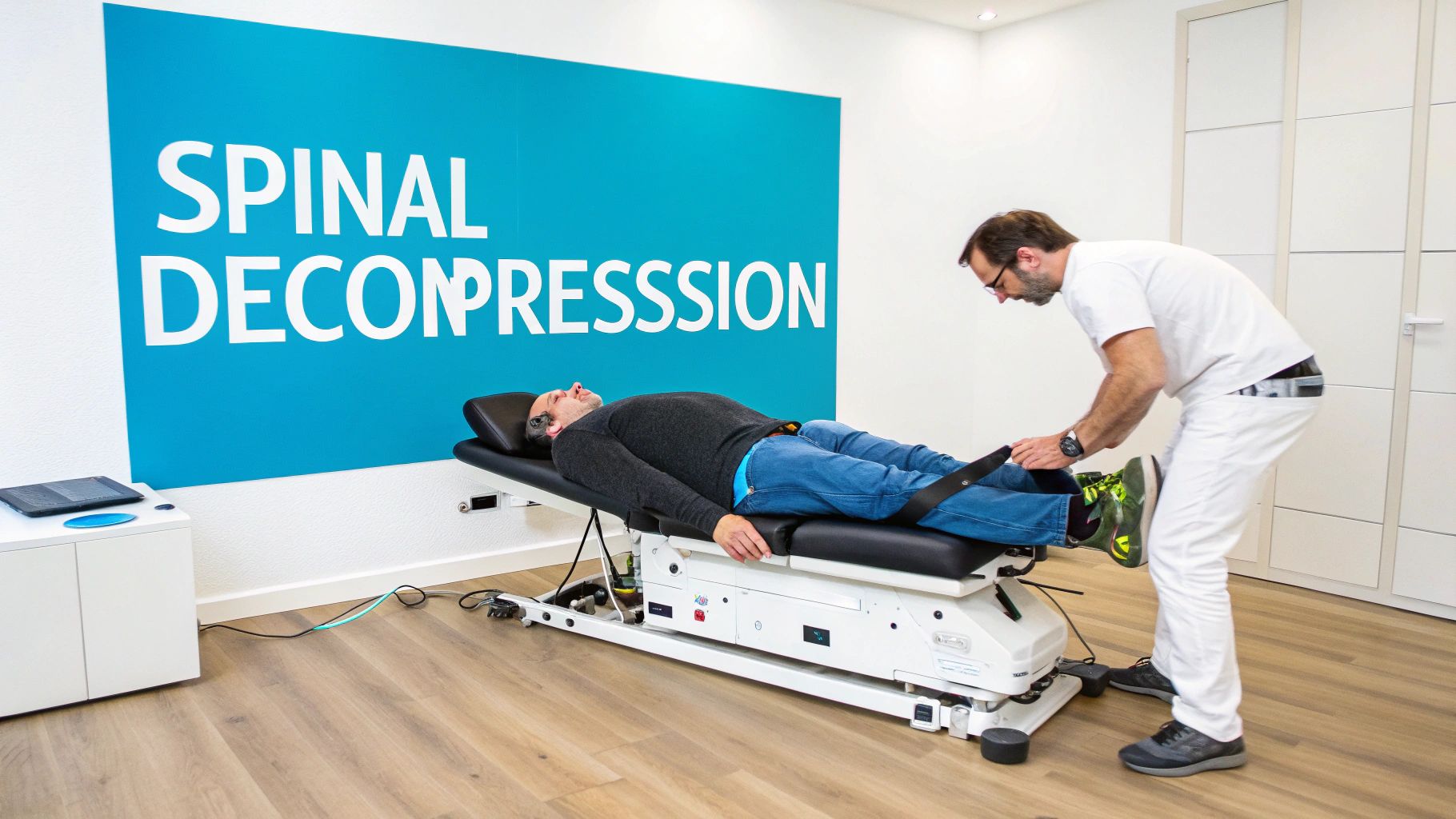
By systematically decompressing the spine, this therapy directly counters the compressive forces that lead to disc damage and nerve irritation. The gentle pulling motion separates the vertebrae, reducing intra-discal pressure and allowing the disc to return to a more normal position and function. This can provide lasting relief from chronic pain and restore mobility.
This therapy is particularly effective for patients with:
Many of our Waco patients find that a course of spinal decompression therapy significantly reduces their symptoms, allowing them to return to daily activities without the constant burden of pain. For those seeking non-surgical options, you can explore how this therapy provides disc herniation relief in Waco and learn if it's the right solution for your condition. This approach offers a powerful way to facilitate the body’s healing processes and avoid the need for surgery.
Manual therapy offers a hands-on, targeted approach to pain relief, making it a cornerstone among effective alternatives to back surgery. This category includes various techniques like therapeutic massage, myofascial release, trigger point therapy, and joint mobilization, all performed by skilled practitioners. The primary goal is to address pain originating in the body’s soft tissues, including muscles, tendons, ligaments, and fascia.
When these tissues become tight, inflamed, or develop adhesions (scar tissue), they can restrict movement, pull the spine out of alignment, and generate significant pain. Manual therapy works by applying precise pressure and movement to break down these adhesions, release chronic muscle tension, and improve circulation to the affected area. This process not only alleviates pain but also enhances flexibility and restores proper biomechanics, allowing the body to heal more efficiently.
By directly targeting the dysfunctional soft tissues contributing to spinal stress, manual therapy can provide immediate and lasting relief. It reduces the mechanical load on vertebrae and discs, decreases nerve compression, and calms the inflammatory responses that perpetuate the pain cycle. This focused treatment helps prepare the body for other corrective therapies, such as chiropractic adjustments, by relaxing the musculature that may resist spinal realignment.
Patients often find this approach highly effective for conditions such as:
When combined with precise spinal corrections from your Waco chiropractor, manual therapy can accelerate healing and provide a comprehensive solution for back pain. For many in Waco seeking lasting relief without invasive procedures, this combination addresses both the structural and muscular components of their condition, paving the way for a more stable and pain-free future.
The way you sit, stand, and move throughout the day has a profound impact on your spinal health. Poor posture is a primary driver of chronic back pain, creating continuous strain on your muscles, ligaments, and spinal discs. Posture correction and ergonomic adjustments are proactive, non-invasive alternatives to back surgery that focus on retraining your body and modifying your environment to support a healthy, neutral spine alignment.
This approach addresses the root causes of pain by reducing the daily mechanical stress that leads to degeneration and injury. By making conscious changes to your workstation, daily habits, and body awareness, you can dismantle the patterns that cause pain and build a foundation for long-term spinal stability.
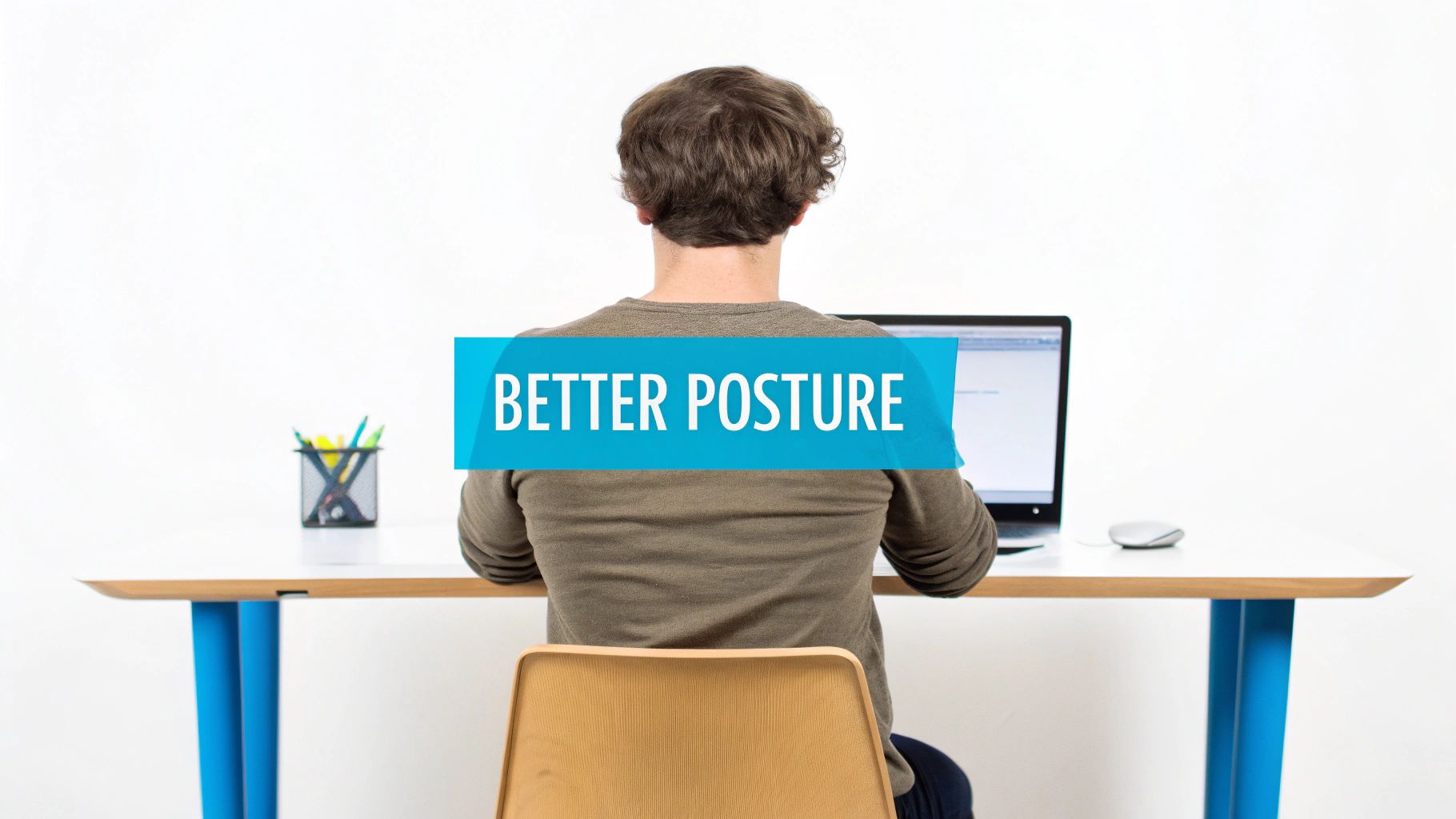
Correcting poor posture and optimizing ergonomics works by systematically removing the sources of spinal strain. An ergonomic setup ensures your work environment fits your body, preventing issues like "tech neck" or lower back compression from prolonged sitting. Simultaneously, posture correction strengthens the core and back muscles needed to maintain proper alignment effortlessly.
This two-pronged strategy is highly effective for alleviating and preventing conditions such as:
A key insight is that lasting postural change often begins with proper spinal alignment. A misaligned atlas, for instance, can force your entire body to compensate, making it nearly impossible to maintain good posture. At Victory Spinal Care, we help Waco patients identify how a foundational spinal shift may be the underlying cause of their postural problems, offering a critical first step toward sustainable relief and avoiding surgery.
Often overlooked for their simplicity, heat and cold therapy are powerful, accessible, and effective non-surgical methods for managing back pain. Also known as thermal therapy, this approach uses temperature application to influence blood flow, reduce inflammation, and calm nerve sensitivity. It stands as a foundational self-care strategy that can be used independently or to enhance the effectiveness of professional treatments, making it a valuable tool in avoiding surgery.
The science is straightforward: cold therapy (cryotherapy) constricts blood vessels, which helps reduce swelling, inflammation, and acute pain by numbing the affected area. Heat therapy (thermotherapy) does the opposite; it dilates blood vessels, increasing circulation to bring more oxygen and nutrients to damaged tissues. This process helps relax tight muscles, ease stiffness, and promote long-term healing.
Applying the correct thermal therapy at the right time provides targeted relief and supports the body’s natural healing mechanisms. Using cold is ideal for new injuries to control initial swelling, while heat is best suited for chronic muscle soreness and stiffness. This simple yet effective distinction is key to harnessing its power as a genuine alternative to back surgery.
Patients often use these methods to manage a variety of back-related issues, including:
Knowing when to use each method is crucial. For an injury that is less than 72 hours old, use ice to minimize inflammation. For persistent, non-inflammatory pain or muscle aches, applying a heating pad can provide significant comfort and improve mobility. By effectively managing pain and inflammation at home, many individuals can reduce their reliance on medication and delay or even prevent the need for more invasive procedures.
Often, the path to back pain relief isn't found in a single procedure but in the small, consistent choices we make every day. Lifestyle modification and activity management represent a powerful, patient-driven alternative to back surgery that focuses on identifying and changing the daily habits, postures, and behaviors that contribute to spinal stress. This approach empowers you to take control of your healing by addressing the root causes of your pain in your own environment.
By making strategic adjustments to how you sleep, move, and manage stress, you can significantly reduce the load on your spine and prevent recurring flare-ups. This method isn't about drastic, unsustainable changes. Instead, it involves a gradual, mindful process of learning proper body mechanics and progressively reintroducing activities, which supports long-term spinal health and can help you avoid invasive procedures.
This holistic approach works by systematically removing the triggers that aggravate your condition while strengthening your body’s natural ability to heal. For instance, correcting your sleep posture can provide eight hours of passive spinal alignment each night, while managing weight can take pounds of direct pressure off your lumbar discs. It’s a foundational strategy that complements other non-invasive treatments.
Patients often find profound relief by making simple but impactful changes, including:
By working with a healthcare professional like your Waco chiropractor to identify your specific lifestyle triggers, you can create a personalized plan. This self-care-focused strategy is one of the most effective long-term alternatives to back surgery because it builds a foundation of resilience and prevents future injuries, ensuring lasting relief for patients in Waco and beyond.
Often overlooked as a simple wellness activity, targeted stretching and flexibility training is a foundational and powerful alternative to back surgery. This approach directly addresses one of the most common contributors to spinal stress: chronic muscle tightness. When muscles like the hamstrings, hip flexors, or lower back muscles become tight, they pull on the spine and pelvis, altering your natural posture and creating painful imbalances.
Regular, intentional stretching works to lengthen these shortened muscles, restoring proper flexibility and improving your overall range of motion. This process reduces the constant strain on your spinal discs and joints, which is a key factor in conditions like sciatica and degenerative disc disease. By incorporating a consistent stretching routine, you can correct muscle imbalances, improve circulation to damaged tissues, and support healthier, more fluid movement patterns, preventing future injuries.
Instead of masking symptoms, a dedicated stretching program targets the muscular restrictions that often cause or worsen back pain. By releasing tension in key areas, you allow the spine to return to a more neutral and stable alignment. This can significantly alleviate nerve compression and reduce the daily wear and tear that leads to chronic pain, making it an essential component of non-invasive care.
A consistent stretching routine can provide relief for individuals in various situations, including:
For a targeted approach, it's crucial to focus on the right muscle groups. You can learn how to properly stretch the erector spinae muscles that run along your spine to help relieve lower back tension. This safe, self-managed strategy empowers you to take control of your healing and often helps avoid the need for surgical intervention.
While physical treatments are essential, what you put into your body plays a critical role in managing spinal pain and supporting tissue healing. Anti-inflammatory nutrition and targeted supplementation offer a powerful, internal approach to reducing the systemic inflammation that often fuels chronic back pain. This strategy works from the inside out to create an environment where your body can heal more effectively.
Chronic inflammation can prevent tissue repair, increase pain sensitivity, and contribute to the degeneration of spinal discs. By adopting an anti-inflammatory diet rich in whole foods and using specific supplements, you can calm this internal fire. This nutritional approach directly supports bone health, nerve function, and tissue repair, making it one of the most foundational alternatives to back surgery because it addresses a root cause of persistent pain.
This method focuses on reducing the body's overall inflammatory load, which can alleviate pressure on nerves and reduce pain signals. It complements physical treatments by ensuring your body has the raw materials needed for recovery, helping to accelerate healing after an injury and manage conditions like arthritis or degenerative disc disease.
Patients often find that this approach significantly improves outcomes for:
A dedicated nutritional strategy can reduce reliance on pain medications and enhance the effectiveness of other therapies like chiropractic care. For those in Waco looking to combine this with expert spinal care, optimizing nutrition provides a comprehensive path to lasting relief and may help you avoid the need for invasive procedures.
The connection between your mind and body plays a significant, often underestimated, role in chronic pain. Mind-body techniques like meditation, mindfulness, and deep breathing are powerful, non-invasive alternatives to back surgery that address the psychological and emotional components of pain. These practices help manage how your brain perceives and responds to pain signals, offering relief that medication or physical treatments alone may not provide.
Chronic pain often creates a vicious cycle where pain causes stress, and stress, in turn, amplifies pain. Techniques such as progressive muscle relaxation and guided imagery work by calming the central nervous system, reducing the production of stress hormones like cortisol, and decreasing the muscle tension that frequently worsens back pain. By learning to manage your body’s stress response, you can interrupt this cycle and create an internal environment that is more conducive to healing and long-term comfort.
Instead of targeting the spine directly, these methods focus on retraining the brain's reaction to pain and releasing systemic tension. By activating the parasympathetic nervous system (the "rest and digest" state), your body can shift out of a constant state of high alert. This shift allows tense back muscles to relax, improves blood flow to injured tissues, and can change your subjective experience of pain, making it feel less intense and more manageable.
Patients often find these practices help break through plateaus in their healing, especially when dealing with:
These techniques empower you with tools to control your pain from the inside out. For those in Waco seeking a holistic path, integrating mind-body practices with other treatments can optimize nervous system function and enhance overall results, providing a comprehensive strategy for avoiding surgery.
| Treatment | Implementation complexity | Resource requirements | Expected outcomes | Ideal use cases | Key advantages |
|---|---|---|---|---|---|
| Upper Cervical Chiropractic Care | Moderate — requires specialist assessment and precise adjustments | Trained upper-cervical chiropractor, imaging, multiple clinic visits | Reduced nervous-system interference, symptom improvement over weeks, potential long-lasting alignment | Migraines, vertigo, chronic neck pain, neurologic symptom patterns | Targets root cause, gentle, drug-free, potentially durable results |
| Physical Therapy & Therapeutic Exercise | Moderate–High — individualized assessment and progressive programs | Licensed PT, exercise equipment, patient time/commitment, possible clinic visits | Increased strength, stability and mobility; reduced recurrence over weeks–months | Post-injury rehab, core weakness, chronic back/neck pain stabilization | Builds long-term stability, evidence-based, measurable outcomes |
| Spinal Decompression Therapy | Moderate — protocol-driven device therapy requiring trained operator | Motorized decompression table, trained clinician, multiple sessions | Reduced intradiscal pressure, nerve pain relief for disc issues; variable durability | Herniated discs, sciatica, foraminal stenosis, select neuropathic pain | Non-surgical alternative with high success for disc-related pain |
| Manual Therapy & Soft Tissue Mobilization | Low–Moderate — practitioner-dependent hands-on techniques | Skilled therapist, clinic sessions, minimal equipment | Immediate reduction in muscle tension and improved mobility; often temporary without other care | Muscle tension, trigger points, adjunct to chiropractic or PT | Fast symptomatic relief, increased circulation, relaxation benefits |
| Posture Correction & Ergonomic Adjustment | Low — behavioral changes and workspace modifications | Assessment, ergonomic tools/furniture, habit-change aids | Reduced activity-related pain and prevention of future problems over weeks | Office workers, remote workers, posture-related neck/back pain | Cost-effective, immediate implementation, preventive impact |
| Heat & Cold Therapy | Low — simple home applications with clear timing rules | Heat/cold packs, cloth barrier; home access | Immediate symptomatic relief; short-term inflammation control | Acute injuries (ice), chronic stiffness (heat), adjunct after treatment | Inexpensive, accessible, safe when used correctly |
| Lifestyle Modification & Activity Management | Moderate–High — requires sustained behavior change across domains | Education, self-discipline, possible professional coaching | Gradual long-term reduction in recurrence and overall symptom burden | Chronic pain linked to activity, sleep, weight or stress factors | Addresses root causes, empowers self-management, sustainable benefits |
| Stretching & Flexibility Training | Low — routine-based but requires correct technique and consistency | Minimal equipment, daily time commitment, initial guidance | Improved range of motion and reduced muscle tension over weeks | Sedentary-related tightness, athletic preparation, adjunct therapy | Accessible, quick tension relief, injury-prevention support |
| Anti-Inflammatory Nutrition & Supplementation | Moderate — dietary planning and targeted supplementation | Food sourcing, quality supplements, possible testing/consultation | Reduced systemic inflammation and supportive healing in 4–8 weeks | Chronic inflammatory pain, recovery support, those reducing meds | Tackles inflammation at source, systemic health and healing support |
| Mind‑Body Techniques & Stress Management | Low–Moderate — regular practice and skill development | Time for practice, apps or instructor/coaching; minimal gear | Reduced stress-related pain, improved sleep and coping with gradual benefits | Pain amplified by stress/anxiety, chronic pain with central sensitization | Complementary to all care, low-cost, builds resilience and relaxation |
Navigating the landscape of back pain treatment can feel overwhelming, especially when the prospect of surgery looms. This guide has explored a wide array of powerful and effective alternatives to back surgery, demonstrating that an invasive procedure is often not the only, or even the best, path forward. From targeted physical therapy and advanced spinal decompression to mindful stress management and anti-inflammatory nutrition, you now have a toolkit of strategies to reclaim your health and well-being. The journey away from chronic back pain is not about finding a single magic bullet; it's about building a sustainable, multi-faceted plan that addresses the root cause of your discomfort.
The key takeaway is this: you have options. More importantly, you have control over your healing process. The most successful and lasting outcomes are typically achieved by integrating several of these non-surgical approaches into a cohesive, personalized strategy. By understanding the unique benefits of each alternative, from posture correction to manual therapy, you can make informed decisions that align with your body’s specific needs and your long-term health goals. This proactive stance empowers you to move beyond simply managing symptoms and toward achieving genuine, lasting relief.
While each of the ten strategies discussed offers significant value, the cornerstone of a successful recovery often lies in addressing the foundational structure of your body: the spine. Many chronic back, neck, and sciatica issues can be traced back to a subtle but critical misalignment in the upper cervical spine, the area where your head meets your neck. This region, known as the craniocervical junction, houses the brainstem and acts as the master control center for your entire nervous system.
When a misalignment occurs here due to an injury, poor posture, or repetitive strain, it creates a domino effect. Your body compensates by twisting and shifting the rest of your spine and pelvis, leading to muscle imbalances, nerve irritation, and degenerative changes that manifest as pain. This is why many treatments that only focus on the lower back provide temporary relief; they are addressing the symptom, not the underlying cause.
This is where the specialized focus of upper cervical chiropractic care, a cornerstone of our practice at Victory Spinal Care – Waco, becomes so vital. By precisely correcting the alignment at the top of the neck, we restore proper communication between your brain and body. This allows the nervous system to function without interference, signaling muscles to relax, inflammation to decrease, and your body’s natural healing mechanisms to engage. It’s a gentle, non-invasive approach that creates the ideal conditions for the supportive therapies discussed in this article, like physical therapy and stretching, to be even more effective.
The most critical step you can take today is to move from information to action. You don't have to decipher this complex puzzle alone. The team at Victory Spinal Care – Waco is here to serve as your guide, helping you identify the specific alternatives to back surgery that will work best for you. During a comprehensive evaluation, we will pinpoint the structural cause of your pain and create a personalized care plan that integrates precise upper cervical corrections with actionable lifestyle guidance.
We believe in empowering our Waco-area patients with the knowledge and tools they need to live a life free from pain and limitations. Whether you're dealing with a disc injury, debilitating sciatica, or persistent neck pain, exploring a conservative, non-surgical path first is a wise and often highly successful choice.
Ready to explore a powerful, non-surgical solution for your back pain? At Victory Spinal Care – Waco, we specialize in upper cervical care that addresses the root cause of your discomfort, providing a foundational alternative to invasive procedures. Schedule your comprehensive consultation with our team today and discover your personalized path to lasting relief right here in Waco.